How AI Predictive Analytics Improves Smarter Targeting
201 E Jefferson St, Syracuse, NY 13202
(315) 758-3349
https://maps.app.goo.gl/LNcnKZaUXSqxHPoT8
https://sunstonedigitaltech.com/
43.0471862, -76.1504376
What predictive AI analytics Represents for Targeting
AI predictive analytics integrates data assessment, machine learning, and trend recognition to anticipate what people are likely to do next. For marketing teams, that means going past basic reporting and into more precise targeting based on likely actions, likely needs, and likely timing. Instead of speculating which segment will convert, teams can use predictive modeling to identify prospects with the highest probability of interacting, buying, or returning.
At its core, AI forecasting analytics looks at behavioral data, engagement history, and user behavior across the buyer journey. It helps reveal purchase signals that may not be obvious from a single visit or form fill. Those insights support stronger market segmentation, better message timing, and more relevant offers throughout the sales funnel.
For businesses investing in digital marketing, predictive tools can improve everything from lead capture to retention. When teams understand how people move through the funnel, they can match content, offers, and channels to real buying patterns rather than broad assumptions. That creates more accurate analytics-based insights and a clearer path to conversion optimization.
How More Intelligent Customer Targeting Matters for Syracuse Businesses
In Syracuse, NY, better targeting is more than a buzzword. Local companies go head-to-head in a market shaped by downtown Syracuse activity, university-driven traffic, winter weather patterns, and regional service-area demand across Central New York. A business that understands seasonal shifts and neighborhood-level behavior can make smarter decisions about where to advertise, what to say, and when to say it.
Local search intent has a major role here. People looking for services in Syracuse often search with location cues, urgency, and specific needs tied to timing. A restaurant may need to respond to student cycles and event traffic, while a home service company may see demand rise when colder weather changes consumer priorities. AI predictive analytics helps marketers identify these patterns earlier and respond to them faster.
This matters because digital marketing campaigns that ignore local context often waste spend. By aligning offers with audience behavior, Syracuse businesses can increase message relevance, attract qualified traffic, and support stronger campaign performance across paid, organic, and email channels. Smarter targeting also helps brands compete across neighborhood and regional intent, not just citywide searches.
How artificial intelligence Strengthens web page design and visitor experience
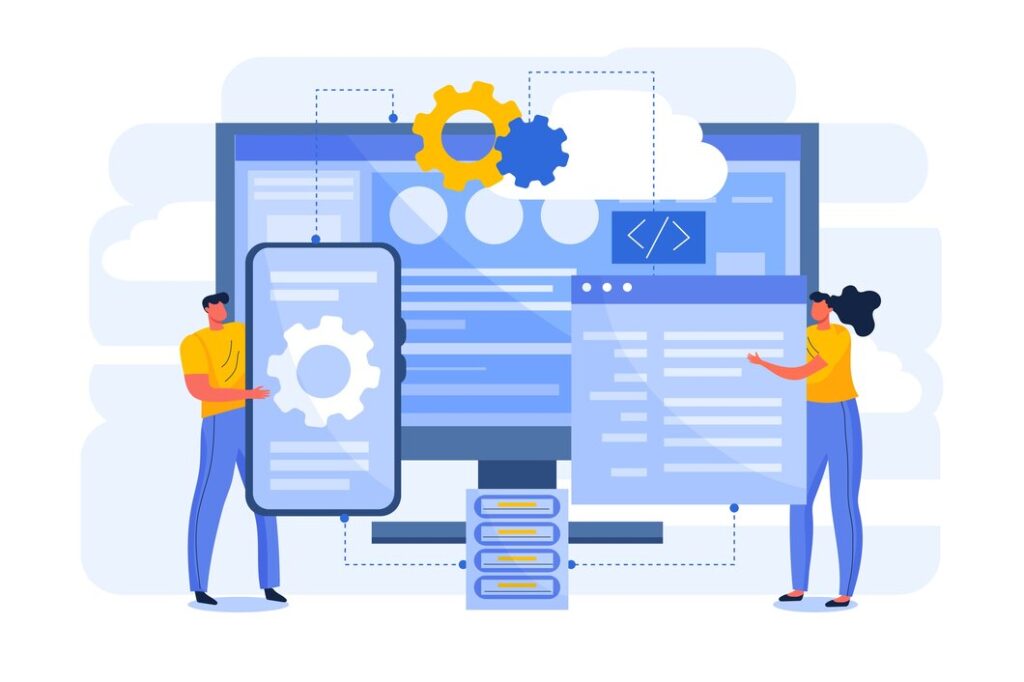
Modern web design is no longer simply about visuals. It focuses on guiding the ideal visitor to the proper next step with minimal friction as possible. Predictive AI insights can refine layout decisions, content placement, and navigation by showing which design elements support conversion rate optimization and which ones lead to drop-off.
With AI-powered insights, designers can tailor landing pages to likely visitor needs. For instance, users arriving from a service-oriented search may need immediate trust signals, clear calls to action, and concise proof of expertise. Users arriving from informational content may need educational personalization and stronger internal pathways before they are ready to convert. That is where conversion optimization becomes more precise.
AI also supports personalization through the website experience. It can help identify which content blocks matter most for different segments, what order users prefer to consume information in, and which page elements support higher engagement rate. By connecting behavioral data to design decisions, businesses can create a more intuitive customer journey that reduces friction and improves results.
For Syracuse companies, this can be especially well useful during seasonal traffic swings. A university-area business may need a different homepage message during the academic year than it does during breaks. A regional service provider may need separate experiences for local visitors versus people from nearby communities in Central New York. AI makes those design choices more informed and more actionable.
Applying AI Forecasting Analytics in SEO services
SEO services grow more effective when they are shaped by predictive analytics instead of retroactive reporting alone. The most effective SEO strategies do not just pursue rankings; they anticipate keyword intent, align content to search intent, and emphasize pages with the best opportunity to improve search rankings.
AI tools can study search behavior, page engagement, and competitor patterns to determine which topics are likely to attract qualified users. That helps marketers prioritize the queries that support business goals rather than traffic volume alone. For instance, a service provider in Syracuse may discover that a smaller set of location-specific queries drives far better leads than broader terms with weak intent.
Predictive insights also improve content planning. Teams can use machine learning to discover emerging keyword clusters, identify content gaps, and predict which pages deserve refreshes. This supports smarter internal linking, stronger topical relevance, and more consistent authority across the site. When SEO decisions are shaped by keyword intent and behavioral signals, search visibility becomes more strategic.
For local brands, local SEO is especially important. A page that meets the needs of Syracuse users, nearby towns, and regional service-area searches can capture more meaningful traffic. Predictive analysis helps determine which pages should target which audiences, which search terms are worth pursuing, and where content updates are most likely to lift performance.
AI Specialists and Data-Driven Audience Segmentation
Experienced ai experts apply predictive data analysis to build better audience segmentation models. Rather than just dividing customers by simple demographics alone, they segment based on activity, intent, and conversion potential. This creates more targeted messaging and better use of marketing resources.
A key application is lead scoring. By combining behavioral data, engagement history, and data analysis, AI can score leads according to how closely they fit high-value customer profiles. Sales and marketing teams can then prioritize prospects who are more inclined to advance through the customer journey more rapidly.
This strategy supports stronger marketing automation as well. When segments are more accurate, automated workflows can send personalized content at the right stage of the marketing funnel. A prospect who viewed pricing pages may need a different message than someone who only read a blog post. Predictive models help teams determine which action should happen next.
Within Syracuse organizations, this can create a real advantage. A local business with multiple service lines may use segmentation to separate downtown Syracuse customers from broader Central New York prospects. Another company may segment student audiences in a different way from year-round households. In both cases, AI helps improve targeting so campaigns feel more relevant and useful.
Area Digital Promotion Applications in Syracuse, NY
In Syracuse, NY, local digital marketing works most effectively when it reflects how people search, shop, and make purchasing decisions in the area. AI predictive analytics can detect local patterns, seasonal demand shifts, and audience segments that react to different messages. That makes campaigns more attuned to the realities of the regional market.
Location targeting is especially useful valuable for businesses serving particular neighborhoods or surrounding communities. A campaign can be shaped to reach users in and around downtown Syracuse, the university area, or nearby parts of Central New York. This approach helps businesses reach the appropriate people with the best message while reducing wasted impressions.
Syracuse neighborhoods often change in demographics, shopping patterns, and service needs. Predictive analytics can help marketers refine creative and offers based on those differences. Local search visibility matters because businesses are often competing across neighborhood-level and regional intent at the same time. A carefully targeted campaign can support both instant local demand and broader service-area growth.
Seasonal behavior also plays a role. In colder weather, users may search differently and respond to different promotions. During student cycles, traffic patterns can shift around campus schedules, move-in periods, and breaks. AI helps marketers connect those patterns to digital marketing decisions so timing and messaging align with real-world behavior.
Metrics Revealing Predictive Targeting Is Working
To know whether predictive targeting is working, businesses should track the right performance metrics. The most important signals often include click-through rate, conversion rate, and return on ad spend. Combined, these metrics show whether the message is reaching the right audience and whether that audience is responding.
Click-through rate can show whether targeting and creative are aligned. If a campaign reaches the right audience but the message is weak, clicks will lag. If clicks improve after targeting adjustments, it often means the campaign is better matched to audience behavior and search intent.
Conversion rate is even more important because it reflects how well the full customer experience supports action. A stronger conversion rate can indicate that audience segmentation, web design, and personalization are working together. It can also show that the page content fits the visitor’s stage in the customer journey.
Return on ad spend helps businesses see whether paid campaigns are producing enough value to justify the investment. When predictive analytics improves targeting, ROAS often becomes more efficient because ads are shown to people with a higher likelihood of converting. That is the clearest sign that smarter targeting is paying off.
Other useful indicators include engagement rate, lead quality, and assisted conversions. With attribution modeling and real-time analytics, marketers can better understand how different touchpoints influence campaign performance over time.
Frequent Scenarios for Small and Mid-Sized Businesses
Small and mid-sized businesses often gain from AI predictive analytics in day-to-day, practical ways. One popular use case is email marketing. Predictive models can help determine which contacts are most likely to view, engage with, or convert, allowing marketers to send more relevant emails and improve campaign performance.
Paid ads are another major use case. Predictive targeting can refine audience segments, improve bidding decisions, and help teams focus ad spend on the audiences most likely to convert. This can be especially useful when budgets are limited and efficiency matters. Better targeting can improve click-through rate, reduce wasted impressions, and increase return on ad spend.
Businesses also use predictive analytics to estimate customer lifetime value. That makes it easier to identify which customers deserve more aggressive retention efforts and which prospects are worth a larger acquisition investment. When combined with marketing automation, this insight can drive more consistent revenue over time.
Local service businesses, retailers, and professional firms in Syracuse can all apply these ideas differently. A local business may use predictive analytics to prioritize seasonal promotions, recurring service reminders, or location-based offers. The goal is always the same: use data to improve relevance, timing, https://oswego-ny-fm680.publishlane.com/posts/greatest-places-to-do-in-fulton-ny-for-visitors-and-natives and conversion.

How to Choose the Right AI Strategy for Your Brand
Choosing the right AI strategy starts with data quality. Predictive models are only as strong as the information behind them, so businesses need clean records, consistent tracking, and reliable definitions for leads, conversions, and audience groups. If the data is incomplete or inconsistent, the predictions will be less useful.
Next, brands should think about marketing automation and how predictive insights will actually be used. AI should not sit in a dashboard with no action. It should inform workflows, lead routing, personalized content, ad targeting, and follow-up sequences. The best systems connect intelligence to execution.
Attribution is an additional critical piece. Businesses need to know which touchpoints deserve credit and which channels influence the customer journey. Attribution modeling helps show how SEO services, web design, paid ads, and email work together across the funnel. Without that context, it is difficult to make informed decisions.
Brands in Syracuse should also evaluate internal expertise. Many teams profit from working with ai experts who understand both the technical side of machine learning and the practical side of digital marketing. The right partner can help turn data-driven insights into better targeting, stronger conversion optimization, and more effective local SEO strategies.
FAQs About AI Predictive Analytics for Smarter Targeting
What is AI predictive analytics for smarter targeting?
AI predictive analytics for smarter targeting uses machine learning, data analysis, and behavioral data to predict what different audience segments are likely to do next. It helps marketers improve personalization, lead scoring, and campaign performance by focusing on people with the strongest intent signals.
How can Syracuse businesses use AI to improve digital marketing?
Syracuse businesses can use AI to refine audience segmentation, improve local SEO, guide geo-targeting, and tailor campaigns to neighborhood-level and seasonal behavior. This is especially useful in Syracuse, NY, where local search intent, university-driven traffic, and regional service-area demand can shift throughout the year.
Can AI predictive analytics help with web design and SEO services?
Yes. AI predictive analytics can improve web design by showing which layouts, calls to action, and personalization choices support conversion rate optimization. It can also strengthen SEO services by identifying keyword intent, search intent, and content opportunities that are more likely to improve search rankings.
What data do ai experts need to build accurate targeting models?
ai experts typically need high-quality data on audience behavior, conversions, traffic sources, engagement rate, and customer journey milestones. They may also use lead scoring inputs, attribution modeling, and real-time analytics to improve predictive modeling and make targeting more accurate.
How can I tell if predictive targeting is boosting results?
Watch for improvements in CTR, conversion rate, and return on ad spend. When those numbers are going up, predictive targeting is likely helping. You should also monitor lead quality, audience engagement, and campaign performance to see whether the right audience is being reached more effectively.